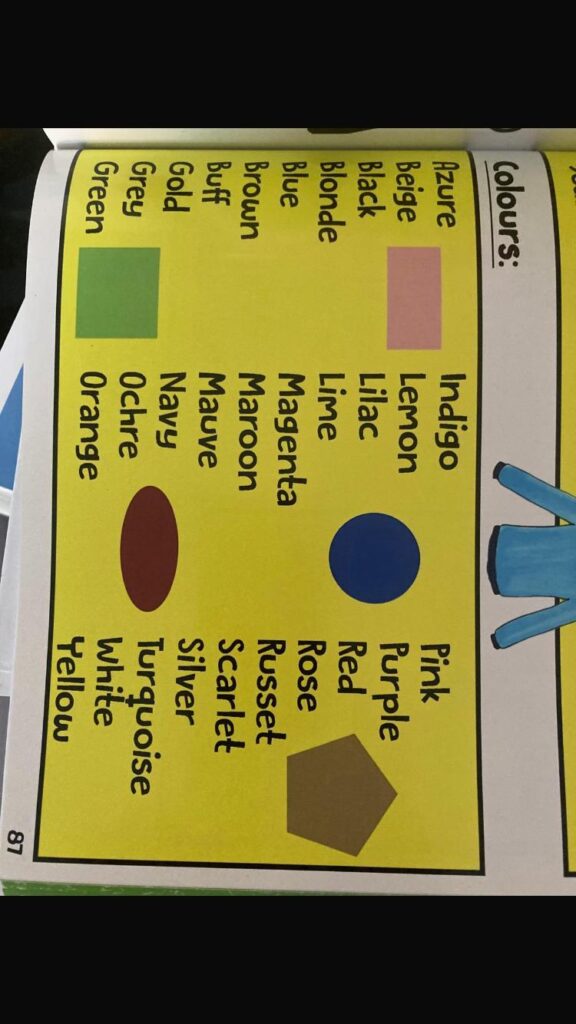
Some pages from one of my books in my exam series called everything you need to know to pass your exams. There are Six books in this series and the first one focuses on description and vocabulary. One of the first and most important topics is the seaside. Rather than the beach.
A beach speaks of continental holidays or those elsewhere in the world. This topic is about English seaside. Good old piers, promenades and seagulls and fish and chips. This is a very important topic for the 11+ curriculum. Questions / story titles range from describing your favourite seaside, describing your most recent visit to the seaside or describing a deserted beach.
For this question your children need a varied vocabulary which not only deals with seaside words but one that covers adjectives. I tell my pupils to include two adjectives for every noun. Some can be colours, some size words, some using the Five senses.
The best way to teach your children about topics like the seaside or the farm or the forest is to take them there.
Lets imagine being at a seaside now and describing it and things we would do if we were children. I was lucky enough to be taken to many English seaside resorts as a child and I will say the memories, the delight of crashing waves and crawling crabs has stayed with me for decades. Your children will feel the same so don't miss the opportunity. They are only small and learning for a short while. So pack that bucket and spade and off you go there are still some nice days in September. Rent a beach hut if you can. It's somewhere you can eat that fish and chips and make tea.
There are so many Blueflag beaches you can visit up and down the country.
It's always best to go when the weather is good and if it's hot you can cool down in the sea by taking a dip or eating a refreshing ice cream or lolly. But the seaside has lots to offer throughout the different seasons.
Elisa Gianoncelli